
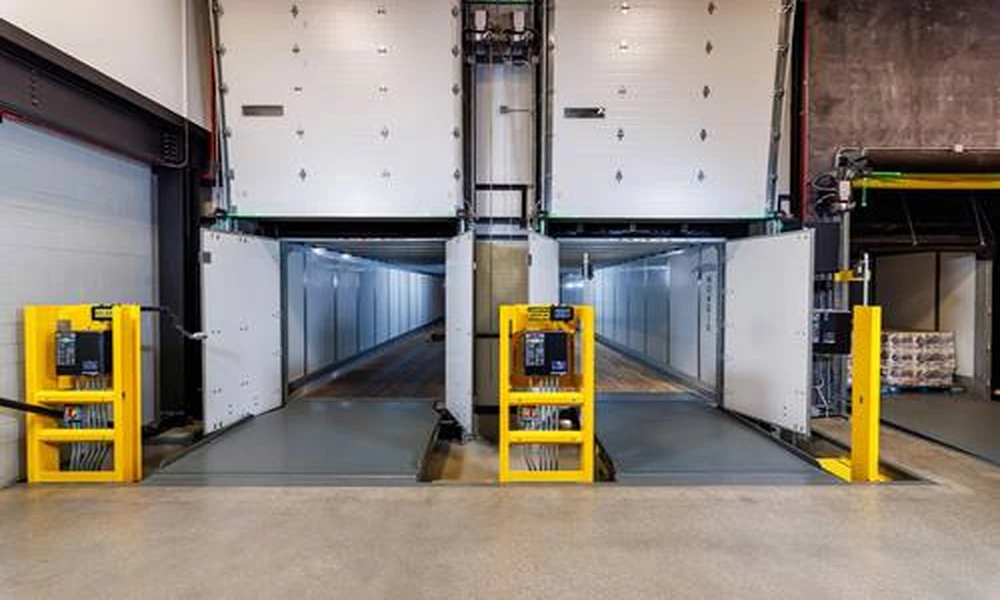
When a truck suddenly lurches away from a loading bay, the consequences are immediate: damaged goods, costly downtime, and sometimes serious injuries. Yet, outdated ideas about retention hooks still linger in the logistics world. These critical devices do far more than tick a safety box, they define how safe, efficient, and sustainable your loading operation can be.
Debunking the Myth: Retention Hooks Are Just Simple Safety Devices
Picture a basic metal hook wedged under a trailer. For decades, that was standard procedure. However, modern loading zones face bigger challenges. There is more traffic, larger volumes, and a demand for seamless integration with advanced equipment. Traditional hooks can’t keep pace, leaving dangerous gaps in protection.
Why Basic Hooks Fall Short in Modern Loading Zones
Basic retention devices rely on manual placement and offer little feedback. A distracted worker or a misaligned trailer, and suddenly the safeguard is gone. These low-tech solutions can’t adapt to the demands of busy distribution hubs or changing trailer designs. The stakes are too high to settle for “good enough.”
The Complexity Behind Advanced Retention Hook Technology
Today’s advanced retention hooks are engineered with sensors, automated activation, and sophisticated control panels. Some models interface directly with dock levelers and alarm systems, providing instant alerts if a lock is not properly engaged. These leaps in technology allow supervisors to monitor safety in real time, rather than relying on post-incident analysis.
Myth: Advanced Retention Hooks Are Difficult to Install and Maintain
Skepticism about complicated installations or fussy upkeep is common. In reality, recent innovations have shifted the narrative.
Innovations Simplifying Installation Processes
Manufacturers have introduced modular designs and universal mounting kits, drastically reducing installation times. Many advanced hooks can be retrofitted onto existing docks with minimal disruption. Touchscreen interfaces and plug-and-play wiring mean that even older loading zones can benefit from cutting-edge safety without an overhaul.
Maintenance Features That Minimize Downtime and Costs
Self-diagnostic features in advanced systems alert operators to potential issues before they lead to breakdowns. Sealed mechanisms protect critical components from weather and debris, extending lifespan and reducing the need for frequent servicing. As a result, loading zones stay operational, and maintenance budgets are preserved.
Misconception: Retention Hooks Don’t Significantly Reduce Injuries
The numbers tell a different story. According to independent studies, docks with advanced retention systems report up to 80 percent fewer “trailer creep” incidents. These are not just minor mishaps, such incidents are a leading cause of catastrophic injuries in warehouses.
Statistical Evidence Supporting Injury Reduction
Safety audits reveal that integrating advanced hooks reduces the rate of dock-related injuries dramatically. Insurance claims related to dock separation and accidental trailer movement drop as well, saving companies both human and financial costs.
How Sophisticated Controls Enhance Operator Safety
User-friendly controls, such as illuminated indicators and audible alarms, empower operators to verify the status of every load at a glance. Some systems even lock out dock equipment until the hook is engaged, preventing accidental operation and reinforcing safe habits.
Myth: All Retention Hooks Offer the Same Level of Environmental Compatibility
With growing environmental scrutiny, companies must consider how every piece of equipment fits their sustainability goals.
Eco-Friendly Designs in Advanced Systems
Many advanced retention hooks use low-energy electronics, recyclable materials, and hydraulic fluids that are safe for the environment. Integrated systems reduce energy waste by coordinating with dock doors to minimize heat loss during loading.
Comparing Traditional vs. Modern Hook Environmental Impact
Older hooks, often prone to leaks or requiring frequent replacement, contribute more to landfill waste and energy usage. In contrast, modern solutions are built for durability and efficiency.
Myth: Advanced Retention Hooks Are Not Worth the Investment
Allocating budget for advanced retention systems may cause hesitation. However, a closer look at the return on investment puts concerns to rest.
Long-Term Cost Savings Through Reduced Damage and Liability
When accidents drop, so do compensation claims and repair costs. Advanced systems shield not just people but vehicles, premises, and inventory. The financial ripple effect is hard to ignore.
Productivity Gains From Reliable Retention Solutions
Fewer accidents translate into less downtime and a more predictable workflow. Operators spend less time double-checking equipment and more time moving goods safely.
Myth: Retention Hooks Are Only Relevant for Large-Scale Industrial Operations
Small businesses and niche industries often assume that advanced retention hooks offer limited value. The opposite is true.
Versatility of Advanced Hooks Across Various Industries
From retail distribution centers to food processors and even pharmaceutical warehouses, adaptable retention systems protect any loading area where safety and efficiency matter. Their modularity means even limited-space docks can be equipped.
Case Studies Demonstrating Wide Applicability
Take, for example, the solutions offered by Dor Docteur portes de quai de chargement. Their range of hooks, levelers, and accessories is tailored for diverse environments, showing that advanced retention technology is not just for the biggest players.
Addressing Concerns About Integration with Existing Loading Equipment
Worries about compatibility often stall upgrades, but today’s advanced hooks are designed with integration in mind.
Compatibility with Dock Levelers, Scissor Lifts, and Other Gear
Leading systems sync with dock levelers, scissor lifts, and even automated doors, creating a unified safety ecosystem. This synergy is critical for maintaining a seamless operation.
Enhancing Overall Loading Zone Safety Through System Synergy
When all components communicate, hook, leveler, and entry control, every transfer is protected from start to finish. The result is a safer, more productive loading dock, proving that advanced retention hooks are a key investment for any forward-thinking operation.