
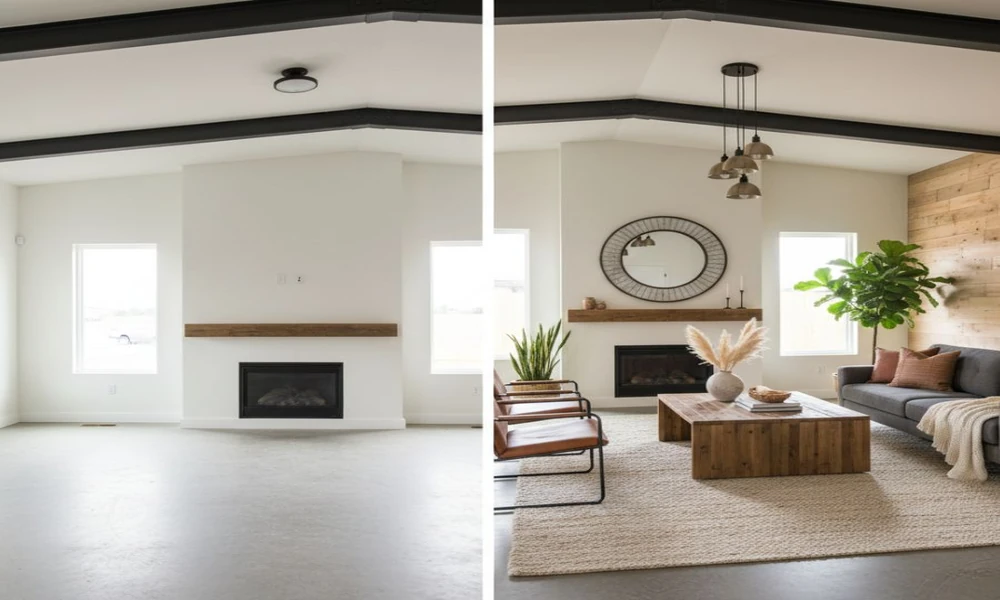
Rustic and modern furniture can create very different impressions, but the distinction is not always as simple as old versus new. Both styles can be comfortable, functional, and attractive, yet they approach materials, shapes, finishes, and visual details in different ways.
Understanding those differences makes it easier to decide which style works best for your home. It can also help if you want to combine rustic and modern furniture rather than committing entirely to one look.
Rustic Furniture Emphasizes Natural Character
Rustic furniture is closely associated with natural materials and visible character. Wood grain, knots, irregular edges, variations in color, and handcrafted details are often treated as desirable features rather than imperfections.
The furniture tends to feel substantial and connected to traditional craftsmanship. A rustic dining table might have a thick wood top, while a rustic coffee table may emphasize the natural shape and texture of the material.
Finishes are usually designed to preserve some of that character. Matte or lightly finished surfaces are common because they allow the material itself to remain visually prominent.
Rustic does not necessarily mean rough or unfinished. Well-made rustic furniture can be highly refined while still maintaining an organic appearance.
Modern Furniture Focuses on Clean Form
Modern furniture generally places greater emphasis on simplicity, geometry, and function.
Straight lines, smooth surfaces, restrained decoration, and carefully controlled proportions are common characteristics. Materials may include wood, metal, glass, leather, and engineered surfaces.
Rather than making the natural variation of a material the main feature, modern furniture often focuses on the overall silhouette.
A modern coffee table, for example, might use a simple rectangular or circular top with a minimal metal base. The design is intentionally reduced so the shape and structure become the primary visual elements.
Materials Create a Major Difference
Material selection can help distinguish the two styles, although there is considerable overlap.
Rustic furniture commonly highlights solid wood, reclaimed wood, stone, leather, and other materials with visible variation. Modern furniture can also use wood, but it may pair it with metal, glass, polished surfaces, or minimalist hardware.
The difference is often in how the material is presented.
A wood tabletop with prominent grain and natural edges may immediately feel rustic. The same species of wood can feel modern when it has a smooth finish, a simple rectangular shape, and a streamlined base.
This is why style cannot be determined by material alone.
Shape and Silhouette Matter
Shape is another important distinction.
Rustic furniture often has heavier visual weight and more organic or traditional forms. Thick tops, substantial legs, and irregular natural edges can contribute to the look.
Modern furniture tends to have cleaner silhouettes. Thin profiles, simple geometric shapes, and open bases can make a piece appear lighter.
However, contemporary furniture increasingly combines both approaches. An organic wood top paired with a minimalist metal base, for example, can create a balance between natural character and modern structure.
A live edge wood coffee table can work particularly well in this type of setting because the wood provides warmth while the surrounding furniture keeps the overall room from becoming overly traditional.
Color and Finish Change the Mood
Rustic interiors frequently use warm browns, natural wood tones, muted greens, creams, and other earthy colors.
Modern interiors may rely more heavily on white, black, gray, natural neutrals, or controlled accent colors.
Again, there is plenty of overlap. A dark walnut table can look sophisticated and modern, while a light oak piece can work beautifully in a rustic room.
The finish is often what determines the final impression. Heavy distressing can make furniture feel more traditional, while a smooth, understated finish can move the same material toward a contemporary aesthetic.
Rustic Furniture Feels More Organic
One of the strongest qualities of rustic furniture is its sense of individuality.
Natural wood rarely looks exactly the same from one piece to another. Grain patterns, knots, color variations, and edge shapes give furniture a sense of uniqueness.
Modern furniture generally creates consistency through controlled manufacturing and precise geometry.
Neither approach is inherently better. The right choice depends on what you want the room to communicate.
If you want a relaxed environment with warmth and visible craftsmanship, rustic furniture may be a better fit. If you prefer visual simplicity and structured design, modern furniture may feel more appropriate.
You Can Combine Rustic and Modern Styles
You do not have to choose one style for the entire home.
In fact, combining the two can create a more balanced interior. Modern furniture can prevent rustic pieces from making a room feel overly traditional, while rustic materials can keep a modern space from feeling too sterile.
For example, pair a simple neutral sofa with a substantial wood coffee table. Add a modern floor lamp, a textured rug, and minimal accessories.
The contrast gives each piece more impact.
Another option is to use rustic furniture as the focal point while keeping the surrounding pieces simple. This allows the natural material to provide warmth without overwhelming the room.
Which Style Is Right for Your Home?
Consider the atmosphere you want before choosing furniture.
Rustic furniture is a strong choice when you value natural materials, visible craftsmanship, warmth, and individuality. Modern furniture is often better suited to interiors where clean lines, simplicity, and visual order are priorities.
If you like aspects of both, focus on balance rather than strict rules.
A room does not need every piece to belong to the same design category. Instead, repeat a few common elements such as color, material, or shape so the different styles feel intentional.
Tailor Wood Haven offers handcrafted wooden furniture that can work especially well for homeowners who want natural character without committing their entire interior to a traditional rustic aesthetic.
Contact Information:
- Website: https://tailorwoodhaven.com/
- Email: hello@tailorwoodhaven.com