
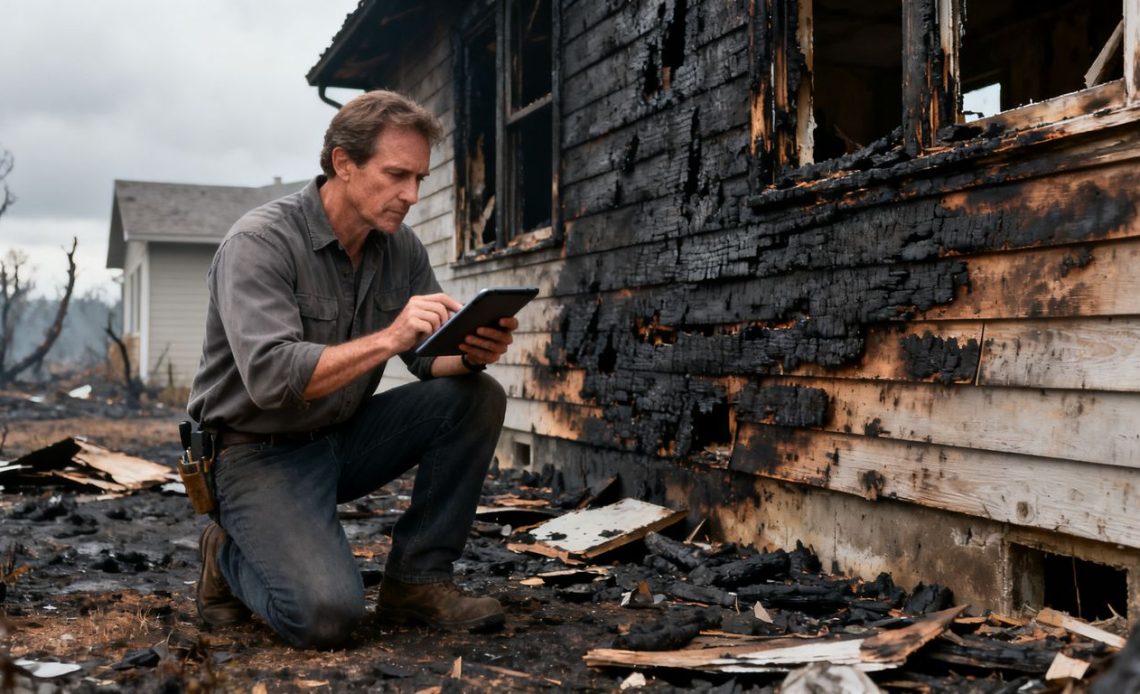
Returning to a fire-damaged property requires patience and a strict adherence to safety standards. Before attempting entry, property owners must observe the perimeter to ensure the structure has not been compromised by weakened supports or shifting foundations. Engaging professionals like FACS can provide an objective overview of the hazards present and the necessary remediation efforts. Taking these initial steps seriously prevents accidents that often occur during the chaotic post-fire period.
Identifying structural instability risks
Visual checks from the outside are the primary defense against unforeseen cave-ins or collapsing wall sections. Carefully observe roof lines for signs of sagging that suggest internal joist failure, which can happen even if the exterior appears relatively intact. Pay attention to doorways, as warped frames often indicate that the structural load-bearing capacity has been fundamentally altered by excessive heat exposure.
Equipment needed for personal protection
Never enter a site without the appropriate gear to mitigate respiratory and skin risks from soot and airborne particulate. High-quality respirators rated for particulates are essential, alongside heavy-duty work gloves and boots with reinforced soles to prevent puncture injuries. Wearing long-sleeved clothing further protects the skin from chemical residues left behind by toxic synthetic materials burning within the home.
Detecting hazardous gas leaks and electrical hazards
Dealing with compromised utilities is a high-stakes task that demands caution to prevent secondary fires or respiratory distress. You must rely on clear sensory cues and logical caution before restoring any power to the dwelling. Follow these procedures to manage utility-related dangers effectively:
- Check for the distinct odor of natural gas or mercaptan, which could indicate a line breach.
- Inspect the central breaker panel for visible melting, charring, or active signs of arcing.
- Keep electrical circuits powered off until a certified electrician verifies the physical integrity of the wiring.
- Examine exterior utility service entry points for heat distortion or detached mounting hardware.
Once satisfied these risks have been mitigated, you can begin the process of internal evaluation without the immediate fear of explosion or electrocution.
Determining re-entry timing and site safety
Timing is everything when re-entering a site, as municipal authorities often provide the final clearance based on environmental safety benchmarks. If the surrounding areas have undergone a recent Texas A&M Forest Service analysis of forest health and hazard potential, take note of their guidance as it reflects the broader environmental shifts following a wildfire. Only enter when deemed safe by emergency services to ensure you do not jeopardize your well-being or disrupt ongoing professional assessments.
Assessing living and shared spaces
Living rooms and shared areas are frequently the first interior spaces evaluated due to the high volume of furniture and ventilation paths they provide. Fire heat interacts with decorative finishes and synthetic upholstery to create complex damage patterns that require a systematic approach to cataloging. Understanding how smoke behaves in open spaces helps in identifying which items can be salvaged and which require complete replacement.
Identifying smoke and soot residue patterns
Soot travels through the house via air currents, settling on surfaces in ways that can be difficult to notice at first glance. Examining these patterns helps in gauging the heat intensity a particular room endured during the event. Use high-intensity flashlights to illuminate walls, uncovering residue that appears deceptively clean until exposed to direct, controlled lighting.
Evaluating floor and ceiling surface damage
Ceilings often bear the brunt of rising heat, creating localized blistering and discoloration of paints or plaster. Flooring, particularly hardwood or synthetic carpets, might look intact, but a careful inspection of subfloor stability is necessary. The weight of debris or the intrusion of firefighter suppression water can cause structural issues under the finished surface that are not evident from a casual visual walk-through.
Assessing upholstery and large furniture integrity
Upholstery absorbs smoke odors and airborne particulates deep into the fibers, which can be nearly impossible to deodorize fully. Large furniture pieces should be checked for signs of charring on the frame and heat-warped connective joints. If the padding feels spongy or emits a strong chemical odor, it is likely that the material has been chemically compromised by the fire.
Checking window seals and frames for heat distortion
Window frames often fail during high-heat events, breaking the airtight seal that protects the interior from external elements. If you notice glass bowing or frames that no longer sit flush against the wall, this indicates that the thermal expansion and contraction cycles damaged the casing. Compromised seals are also major pathways for further environmental contamination after the fire has been extinguished.
Inspecting kitchens and utility areas
Kitchens represent some of the most complex environments inside the home due to the convergence of plumbing, electrical, and gas systems. The presence of flammable cleaning agents and heavy food residue changes the chemical composition of the soot, making it stickier and more corrosive to surrounding surfaces. Evaluating these rooms requires a meticulous focus on how integrated systems interact with high heat.
Evaluating appliance electrical and mechanical integrity
Appliances are highly sensitive to power surges caused by electrical grid failures during fires and the heat itself. Examine the rear or control units of large kitchen machines, as these areas often show heat damage that isn’t visible from the front. If the cords show any signs of insulation melting, consider the entire unit as potentially compromised beyond safe usage.
Examining cabinetry for charring and smoke saturation
Cabinetry often acts as a trap for heat, causing interior warping that prevents doors and drawers from closing properly. Since wood is porous, it readily absorbs smoke and soot, which can lead to persistent odor issues even after the area is ostensibly cleaned. Check the back panels and seams of cabinets, where temperature buildup is often most extreme during a fire event.
Assessing plumbing fixtures and pipes for heat exposure
Heat exposure can damage the soldering in copper pipes or warp flexible PVC water lines, leading to slow leaks that remain hidden until the water is turned back on. Test the valves and faucets for smooth operation before restoring full water pressure to the home. Even if the pipes appear intact, hidden hairline fractures near the connection points can cause significant water damage if left unaddressed.
Detecting long-term air quality concerns in confined spaces
Utility closets and basement areas often suffer from poor ventilation, leading to high concentrations of particulate matter that lingers indefinitely. Assessing the air quality in these small, closed spaces is critical for determining if remediation requires professional air scrubbing equipment. Using the tools and insights noted in EFFIS reporting can help homeowners understand the scale of regional fire damage impacts on interior environments.
Evaluating bedrooms and private quarters
Private quarters contain the most significant volume of highly porous textile and personal items, which are particularly susceptible to deep smoke infiltration. The primary goal here is to determine the extent of personal loss and to separate salvageable heirlooms from items that constitute a total health risk. A calm, methodical approach ensures that the emotional toll of sorting through ruined personal goods does not derail the assessment process.
Inspecting textile and porous item damage
Bedding, clothing, and curtains act as filters for soot and airborne toxic ash. These items are often saturated to the point of being non-salvageable, as professional cleaning might only mitigate the scent rather than removing the hazardous particulates trapped within the fibers. Conduct a test wash on a single garment if you are unsure, but be prepared for professional advice to recommend disposal for most soft goods.
Assessing closet and built-in storage impact
Built-in storage units might seem insulated, but they frequently harbor high levels of particulate debris that settles through vents or ceiling cracks. Open everything to see if soot has migrated into tucked-away corners or onto shelves. If the contents have sustained heat damage, such as warped books or melted plastic storage bins, the entire storage area likely needs a full sanitization process.
Checking interior door functionality and fire ratings
Interior doors are designed to provide a degree of fire resistance, but high temperatures can distort them, preventing the door from latching or sitting in the frame. A door that was intended to act as a fire break may have failed in its duty, allowing smoke to pass through the gaps. Confirm that all hinges and locking mechanisms remain functional, as these elements are crucial once the home is ready for repairs.
Quantifying scorched or lost personal electronic items
Personal electronics are extremely delicate, with heat often causing internal short circuits or the melting of proprietary casing materials. When cataloging these items, document the model number and condition to provide the necessary detail for your insurance inventory. Even if the device looks fine on the outside, internal circuits may have become brittle, rendering them unreliable or dangerous to connect to a power supply.
Analyzing exterior structure and property perimeter
After the threat has passed, focus your efforts on the envelope of the building and the surrounding landscape to prevent long-term environmental damage. The outer shell is the first line of protection for your home and often hides significant issues that only manifest after weather cycles bring moisture and wind. Keeping the perimeter in good repair identifies structural weaknesses that could lead to property devaluation over time.
Inspecting roof and gutter systems for ember remnants
Ember remnants can remain lodged long after the fire passes, potentially reigniting small material piles in gutters or roof valleys. Use extended-reach ladders or camera-equipped drones to view areas that you cannot safely access yourself. Ensure that no charred debris remains in the rainwater management system, as this can block drainage and force water back toward the fascia and siding.
Evaluating siding and exterior wall material degradation
Heat exposure can cause significant degradation to exterior surfaces, ranging from vinyl siding delamination to cracks in masonry mortar. Inspect each side of the house individually, as the fire’s progression often hits one elevation significantly harder than others due to wind direction. Take note of any areas where the siding appears to have melted away from the underlying wood or moisture barrier.
Checking the structural integrity of outbuildings and decks
Decks and auxiliary outbuildings are often overlooked in the primary structure assessment, yet they serve as key connecting structures that can lead to fire spread. Check the footings and support beams for signs of charring that might have weakened the load-bearing capacity. These structures are often made of softer exterior woods which, when dried out by extreme heat, can become brittle and pose a significant fall risk.
Assessing landscaping impact and hazardous debris buildup
Landscaping elements contribute to the general health of the property and can be a source of hazardous debris if not managed properly. Clear away scorched vegetation and fallen debris that might otherwise attract pests or impede drainage around the foundation. Ensuring the immediate proximity of the structure is clean and stable helps protect the property while you wait for larger repairs to commence.
Documenting findings for insurance claims
Diligent documentation acts as the foundation for a successful insurance settlement following a disaster. By creating a clear, evidence-based record of the damage, you help protect your financial interests throughout the recovery process. This phase requires significant organization, as even small details can influence the accuracy of the total loss assessment provided by professionals.
Establishing a comprehensive photographic and video log
Use a high-quality camera to capture images of every room, specifically focusing on the areas where damage is most severe. Aim for wide shots to place the damage in context, followed by close-ups of specific items with their labels or serial numbers visible. A video walk-through is also highly effective for recording the flow of the damage, allowing your insurance provider to see the state of the property as you experienced it initiallly.
Creating a detailed room-by-room inventory
Inventorying your personal property is a large task that is best handled by breaking the house down into discrete, manageable zones. Note the estimated age, original price, and purchase date of significant items, and attach photographs or links to manuals where possible. This database prevents the ambiguity that often causes disagreement during the claims process, as it leaves little room for error regarding what was held inside the home.
Coordinating with insurance adjusters and inspectors
Communication with your adjuster should be transparent and prompt, keeping them informed of all significant findings as you discover them. Do not feel rushed into signing off on a claim until you have personally verified that the assessment covers the entirety of the property damage. Having a written log of all conversations and instructions provided by the adjuster helps ensure both parties remain aligned on the scope of the repair or loss settlement.
Organizing documentation for total loss assessment
Keep all receipts for emergency housing, cleaning services, and immediate repairs together in a single folder or digital file. Providing a structured, well-organized documentation package is the single best way to ensure the insurance carrier can process your claim with minimal delay. When your records mirror the room-by-room assessment you performed, the insurance adjuster can more easily validate the claim and authorize the funds required to restore your home.