
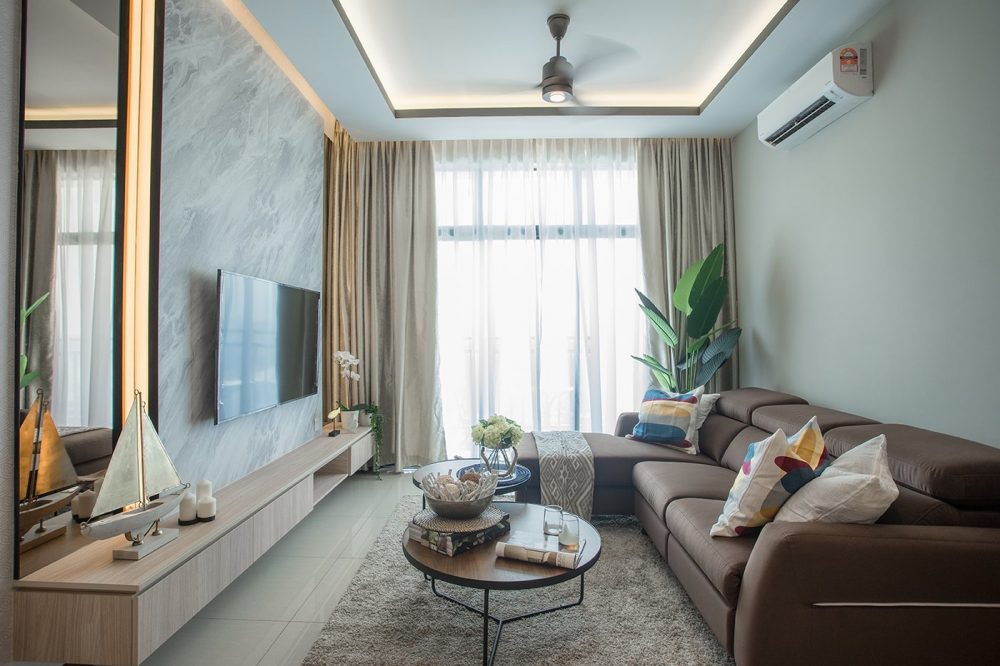
Smart homes often sound expensive. Automated lighting, app-controlled devices, and sleek integrated systems can easily feel out of reach if you’re working with a tighter budget.
But here’s the reality: creating a smart home doesn’t mean you need to automate everything at once fully.
In Johor Bahru, more homeowners are taking a practical approach, combining simple interior design decisions with a few well-chosen smart features. The result? A home that feels modern, efficient, and comfortable without unnecessary spending.
If you’re looking to upgrade your space without overspending, here’s what actually works.
1. Start with “smart-ready” design, not smart devices.
Before buying any gadgets, think about your layout and infrastructure.
A smart home works best when the space is designed to support it:
- Plan power points in convenient locations
- Ensure good Wi-Fi coverage across rooms
- Keep layouts clean and uncluttered
This makes it easier to add smart features later without rewiring or major changes.
Why this matters:
Many homeowners overspend by retrofitting smart devices into poorly planned spaces. Starting with a smart-ready layout avoids that.
2. Focus on high-impact, low-cost smart upgrades.
You don’t need a fully automated system to feel the benefits of a smart home.
Start with simple, affordable upgrades:
- Smart bulbs or lighting systems
- Smart plugs for everyday appliances
- Basic smart doorbells or security cameras
These are relatively low-cost but immediately improve convenience and functionality.
Tip:
Choose devices that can be controlled from one app to keep things simple.
3. Use lighting design to create a modern feel.
Lighting plays a huge role in both home design and smart functionality.
Instead of installing expensive systems, combine:
- Warm ambient lighting
- Simple LED strip lighting
- A few smart bulbs for key areas
This creates:
- A clean, modern aesthetic
- Flexible lighting control
- A more comfortable atmosphere
Even basic lighting upgrades can make your home feel significantly more premium.
4. Keep the design clean and clutter-free.
A smart home feels more “intelligent” when the space itself is organised.
Clutter can:
- Block signals (in some cases)
- Make smart setups harder to manage
- Reduce the overall aesthetic
What works better:
- Hidden storage
- Minimal surfaces
- Cable management solutions
A clean layout enhances both functionality and design without extra cost.
5. Combine built-ins with flexible furniture.
Custom carpentry can get expensive, but it’s still useful in key areas.
A balanced approach works best:
- Use built-ins for essential storage (e.g. TV console, wardrobes)
- Use movable furniture for flexibility
This helps you:
- Keep the space organised
- Avoid overspending on full custom setups
- Adapt your layout over time
It also makes it easier to integrate smart devices without being locked into one configuration.
6. Prioritise energy efficiency.
One of the biggest benefits of a smart home is energy savings.
In Johor Bahru, where air-conditioning and appliances run frequently, small changes can make a noticeable difference.
Smart choices include:
- Energy-efficient lighting (LEDs)
- Smart plugs to control usage
- Timers for appliances
These not only reduce electricity bills but also make your home more sustainable.
7. Upgrade security without going overboard.
Smart security doesn’t have to be complicated.
Instead of full systems, start with:
- A smart doorbell camera
- Motion-sensor lights
- Basic indoor or outdoor cameras
These provide peace of mind without requiring a large investment.
8. Design spaces that support automation.
Some design decisions make automation easier and more effective.
For example:
- Keep pathways clear for potential robot vacuums
- Use simple window treatments that can be upgraded later
- Avoid overly complex layouts
When your space is easy to navigate, smart devices perform better.
9. Build your smart home gradually.
One of the smartest decisions you can make is not doing everything at once.
Instead:
- Start with essentials
- Test what works for your lifestyle
- Add more features over time
This prevents:
- Overspending
- Buying unnecessary devices
- Setting up systems you don’t actually use
Many homeowners in Johor Bahru find that a phased approach leads to better long-term results.
Final Thoughts
Creating a smart home on a budget isn’t about having the latest technology everywhere. It’s about making thoughtful choices that improve how your home works.
When you:
- Plan your layout properly
- Start with simple upgrades
- Keep your design clean and functional
…you can achieve a modern, smart living environment without overspending.
In the end, the smartest home isn’t the most high-tech one. It’s the one that fits your lifestyle, runs efficiently, and makes everyday living just a little bit easier.