
Factors That Influence House Extension Costs
The cost of a house extension in the UK depends on several key factors. Size is the most obvious. A small single-room extension will cost far less than a large multi-room addition. Location also matters. London and the South East typically have higher labour and material costs than northern regions. The type of extension is another variable. Single-storey extensions are generally cheaper than two-storey extensions due to the complexity of structural work and roofing. Basement or loft conversions increase costs because of excavation, reinforcement, and additional planning requirements. Materials have a direct impact on costs. Standard brickwork is cheaper than high-end stone or cladding options. Internal finishes, including flooring, plastering, and painting, vary widely in price. Kitchens and bathrooms are particularly expensive to fit. Windows and doors, especially high-performance or double-glazed units, add further costs. Structural work, including foundations, beams, and roofing, must meet building regulations, which can increase overall expenditure.
Planning and Professional Fees
Planning permission and building regulations approvals influence both cost and timeline. Applications can range from a few hundred to several thousand pounds. Architects, structural engineers, and surveyors charge separately, depending on project complexity. For larger projects, professional fees can account for 10–15% of the total budget. Hiring a reputable building company can help navigate these approvals efficiently, reducing the risk of delays or fines.
Average Costs by Extension Type
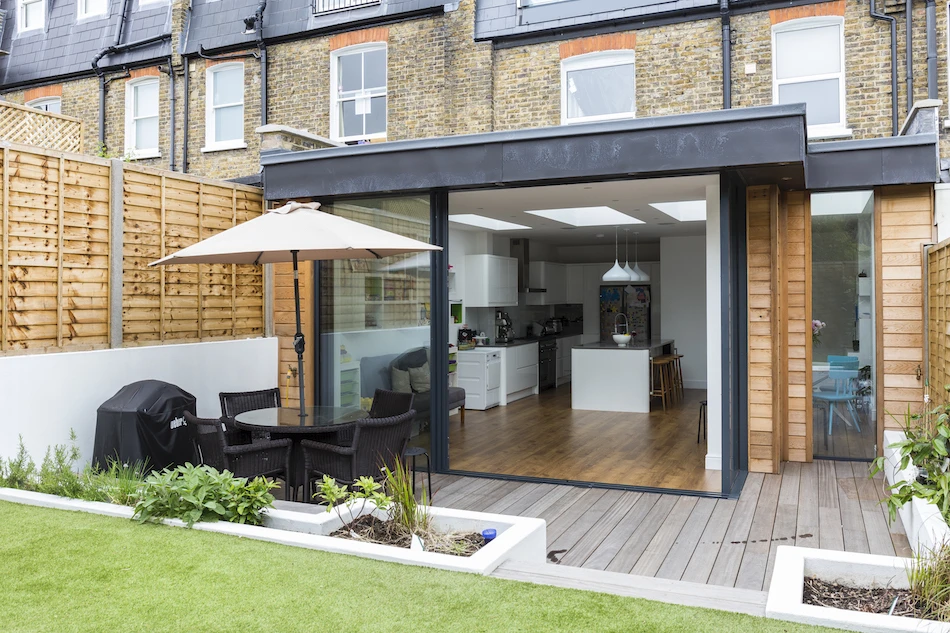
A single-storey rear extension typically costs between £20,000 and £40,000 for a modest 15–20 square metres. High-end finishes or complex layouts can push this above £50,000. Two-storey extensions often start around £40,000 and can exceed £100,000 depending on size and finishes. Loft or basement conversions usually range between £30,000 and £70,000, with specialised work such as underpinning or additional drainage increasing costs further. Open-plan designs that involve removing walls or adding structural beams may require planning permission and specialist labour. Conservatories are generally cheaper, costing between £10,000 and £30,000, but offer less usable space year-round due to insulation and temperature control issues.
Hidden Costs to Consider
Unexpected costs often arise during house extensions. Ground conditions may require additional foundation work. Old plumbing, wiring, or drainage may need upgrading to comply with modern standards. Temporary accommodation or storage may be necessary if work disrupts daily living. VAT at 20% applies to most building work, adding a significant sum to the total cost. Contingency budgets of 10–15% are recommended to cover unforeseen issues.
Labour Costs and Scheduling
Labour rates vary by region and skill level. General builders charge less than specialised trades such as bricklayers, roofers, or carpenters. Projects scheduled during peak seasons may experience higher costs due to demand. Delays in material supply or poor weather can further extend labour expenses. Clear contracts and fixed timelines help control these costs.
Maximising Value for Money
Choosing materials wisely can reduce costs without compromising quality. Standard bricks, efficient insulation, and off-the-shelf fittings offer savings. Working with a skilled building company ensures materials are used efficiently and work is completed correctly the first time. Comparing multiple quotes helps identify fair pricing, while regular site supervision prevents mistakes that could incur additional expense.
Conclusion
House extension costs in the UK vary widely, typically ranging from £20,000 for a small single-storey addition to over £100,000 for large or complex projects. Key factors include size, location, materials, type of extension, professional fees, and hidden costs such as structural work and regulatory compliance. Planning carefully, budgeting for contingencies, and working with a reliable building company ensures the project runs smoothly and provides long-term value. Proper management and clear agreements on scope, costs, and schedule minimise surprises and deliver a high-quality, functional space.