
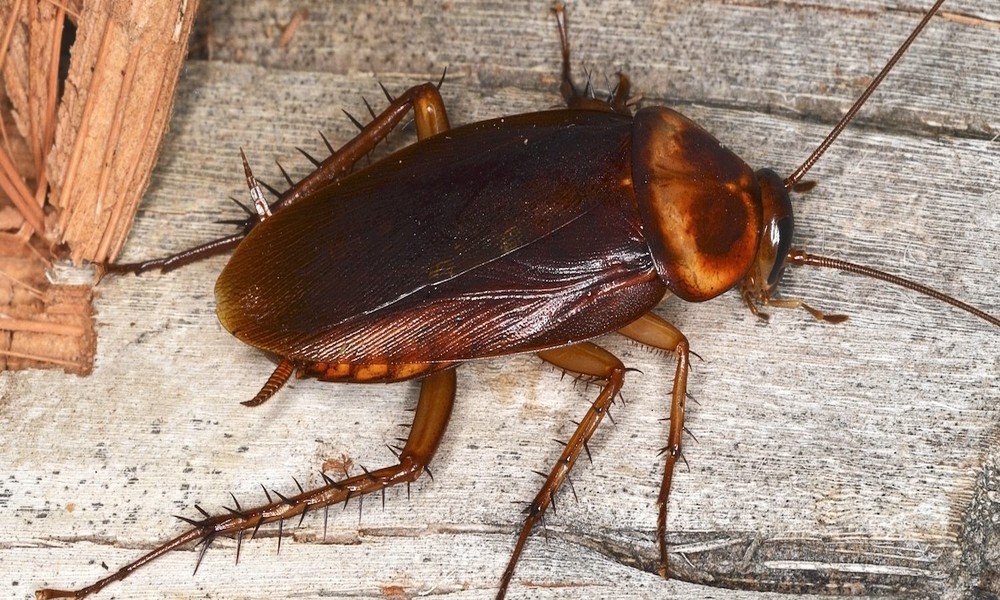
Cockroaches are among the most unwelcome pests in Riverside homes. These insects adapt well to warm climates, shared housing, and busy households. They can affect the structure of a home and the health of the people who live there.
The warm weather in Riverside supports cockroach activity year-round. Mild winters allow populations to survive and grow without long breaks. Also, the city provides roaches with access to leaky pipes, irrigation runoff, and indoor moisture. Plus, apartments, condos, and closely spaced homes allow cockroaches to move between structures. That is why residents need to have a trusted Riverside pest control company to turn to whenever they deal with these filthy pests. Akela Pest Control has the expertise nd tools to address a pest issue, no matter its severity. Here’s what roaches can do to households in Riverside when left unaddressed:
Damage Food and Kitchen Areas
Cockroaches leave behind bacteria as they crawl across counters, dishes, and pantry shelves. Their droppings, shed skins, and saliva can contaminate food supplies. They usually target stored food without tight seals. Cockroaches chew through thin packaging and cardboard. This can lead to wasted groceries and repeated cleaning.
Pose Health Risks for People
Cockroaches pose real health concerns, especially for children, seniors, and those with allergies. Their droppings and shed skins contain proteins that trigger allergic reactions and asthma symptoms. Exposure to these wastes can lead to coughing, wheezing, skin irritation, and eye discomfort. Air quality in infested homes may suffer as particles spread through vents and foot traffic. Cockroaches also carry bacteria such as Salmonella and E. coli. These germs transfer to food prep surfaces, which raises the risk of illness.
Impact Mental Well-Being
Cockroaches affect peace of mind. Sightings can cause stress, embarrassment, and discomfort. Some people may have trouble sleeping knowing they have roaches inside their homes. Also, guests may notice signs such as droppings or odors, which can affect social comfort.
Present Structural Concerns Inside Homes
Cockroaches chew on paper products, cardboard, and glue used in books, wallpaper, and packaging. They may gnaw on wiring insulation. This raises safety concerns, especially in older homes. Wall voids and cabinets may show signs of damage.
Moist areas attract roaches, which means water damage and pest issues may appear together.
Boost the Infestation
German cockroaches reproduce at a high rate. A small issue can turn into a major infestation within weeks. Egg cases hide in cracks, appliances, and cabinets. Without full control, new roaches continue to appear long after initial sightings.
Spread Through Properties
Cockroaches move through plumbing lines, wall gaps, and shared spaces. They travel between apartments through drains and utility openings. They can also be carried into homes through used furniture, grocery bags, and delivery boxes.
Leave Behind Odor Signs
Cockroaches produce a musty odor as an infestation grows. This smell comes from pheromones and waste. It may linger in cabinets, drawers, and enclosed spaces. Droppings resemble pepper flakes or small smears. Shed skins appear near nesting areas. These signs may show up before live roaches become visible during the day.
Why Homeowners Should Take Prompt Action
Delayed response against a roach infestation allows populations to expand and spread. Each week without control increases contamination and repair risk. Store-bought sprays may kill visible roaches but fail to reach nests. This partial control often pushes roaches deeper into walls and cabinets. Professional treatment addresses active roaches and hidden egg cases, which reduces repeat issues. Also, homeowners must take prevention steps to reduce the risk. They must store food in sealed containers and clean crumbs and spills each day. They should also fix leaks and reduce moisture, seal cracks near pipes and baseboards, and take trash out often to make their homes less attractive to roaches.